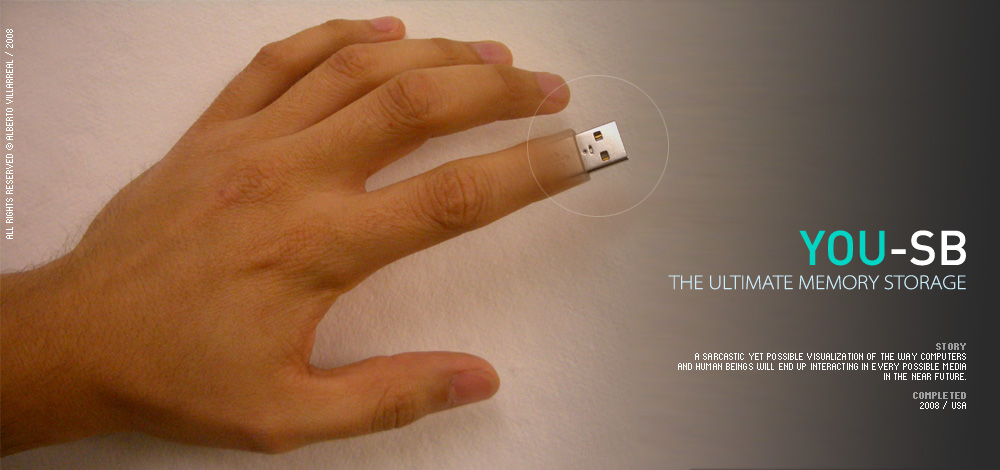

Today the advancement of technology has left manual labor in the past. As a result we now live in an era of the information society. The Internet has provided a fantastic platform for the dissemination of various types of data. However, with the rise of the information age there has been a tendency to use language (written/spoken) as the primary means of communicating data. Currently, millions of Americans sit at a desk everyday using a computer, monitor, keyboard and mouse. The main method of information absorption is reading text on the screen. When searching on Google - one can only look for information using text, whether searching for an article, an image, or any kind of data. At the super market one can find products such as "100 Calorie Packs!", each bag of crackers in the box has been quantified to the exact amount listed. In product advertising consumers seem to care more about the nutritional statistics outlined on the package rather than the gustatory experience it offers. In some ways this trend of language primacy is a side effect of the desire to making everything computable. Making a certain type of data computable involves turning it into code, into 1's and 0's. We are making the world more accessible to computers and then using computers to explore the world. The way we experience information is in the same way that computers process it - through languages. This shift into the computer/information age has marginalized the physical body and consequently our senses. No longer are humans needed to do manual labor, and with the exception of sight, our senses are greatly underused for gaining information about the world. However even vision may become obsolete if humans gain the ability to download information directly into the brain (see images above, from Zanic Design).
The “5ense5” project aims to explore our 5 senses as a medium for experiencing information and to articulate the idea of human centered design - technology that adapts to humans and not the other way around. The “5ense5” project adopts a combined model of synaesthesia and human computer interaction. Synaesthesia is the cross mapping of one sense into another. For example persons who experience sound to color synaesthesia report that hearing certain sounds have a color associated with them (seeing sounds: the meow of a cat brings up the sensation of the color blue). For this project, instead of mapping senses onto one another, different types of data are mapped into the senses. Each of our senses has different spatial/temporal qualities and thus are more suited to different types of information. Frequently information is invisible or inaccessible; people have come to accept this as the norm. For example online and in-store shoppers may be browsing the same inventory; however the online shoppers have no presence. The “5ense5” project brings attention to the data flowing around us in what may seem like a synaesthetic hallucination, but in actuality is the uncovering of systems of data.